Nanticoke
Mariners' Museum, Uncurated Search Results
Type: Schooner Barge
Year: 1908
Builder: Sharptown Marine Railway
Location: Sharptown

These records are found in the online catalog of The Mariners’ Museum and Park in Newport News, Virginia. Uncurated search results are presented to give researchers and interested readers an idea of whether the museum’s archives contain information about this vessel and whether it may be worthwhile to visit the museum’s catalog search page for further investigation. Uncurated results may be inaccurate or incomplete.
Search mode: Exact Name. Search phrase(s): "Nanticoke". Results returned: 23. Results displayed in this table: 23.
Use these buttons to send uncurated search results to your own app or text document for further research. First, check the box for any row, or click "Select All" then uncheck any rows. Then click "Show Selections". You can then copy your selections from the text box and past them into your app.
| Fetch? | Row ID | Media | Date | Vessel | Place | Related Places | Inscription/Marks | Subject | Notes | Archive Number |
|---|---|---|---|---|---|---|---|---|---|---|
| 1 | 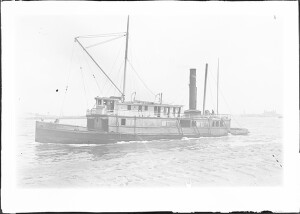 | Circa 1905 | Nanticoke (Steamship : 1882). | Steamboats–United States.; Rivers–United States.; Paddle steamers–United States. | Shows the steamer Nanticoke under way. | MS0095/02-#891 | ||||
| 2 | 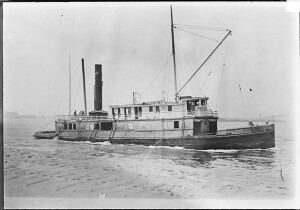 | Before 1929 | Nanticoke (Steamship : 1882). | Steamboats–United States.; Bodies of water. | Shows the steamer Nanticoke under way. | MS0095/02-#94 | ||||
| 3 | No image URL. | Nanticoke River (Del. and Md.)–Description and travel. | Adrift on the Nanticoke River | LB104245 | ||||||
| 4 | 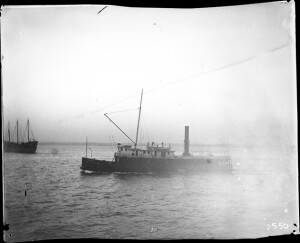 | Nanticoke (Steamship : 1882). | Nanticoke; 2550 | Steamboats–United States. | Shows a port side view of a steamship making way, in the background another vessel can also be seen. Stanton's notebooks contain the following information about this item: "Date unknown" | MS0094/01-#2550 | ||||
| 5 | 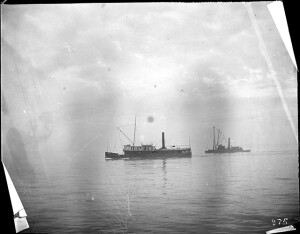 | 9/29/1894 | Nanticoke (Steamship : 1882). | Nanticoke; 875 | Steamboats–United States. | Shows a port side view of a steamship making way, in the background another vessel can also be seen. Stanton's notebooks contain the following information about this item: "Sept 29, 1894" | MS0094/01-#0875 | |||
| 6 | No image URL. | Nanticoke, Maryland | P0001.008/01-388 | |||||||
| 7 | No image URL. | Nanticoke River (Del. and Md.) | Stream ecology–Nanticoke River (Del. and Md.); Natural history–Nanticoke River (Del. and Md.) | Includes index. | LB93804 | |||||
| 8 | 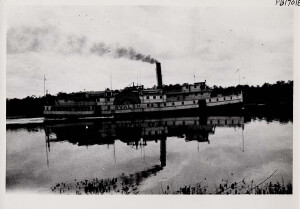 | CURATOR NOTES: View of steamer on the Nanticoke River at Woodland, COLLECTION Avery H. Ellis | P0001.003/01-#PB17018 | |||||||
| 9 | No image URL. | Nanticoke River (Del. and Md.)–Description and travel. | Seaman's sanctuary | LB104091 | ||||||
| 10 | 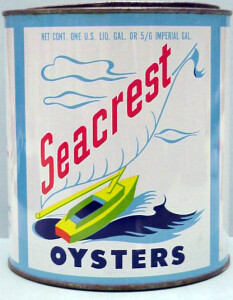 | SHORT DESCRIPTION: Object is a one gallon oyster can, multi-colored, with Carolina blue, bright yellow, red, grass green and navy blue colors, all against a white background. On the front and back of the can is an image of a green, yellow, and red boat, with outline of the bottom of a blue sail and flag above it. The boat is sailing on blue waves, with outlines of light blue clouds above it. The lid is place fitted into the top of the can. The lid has white coloring for the lettering against the natural metal color. | CL28490 | |||||||
| 11 | 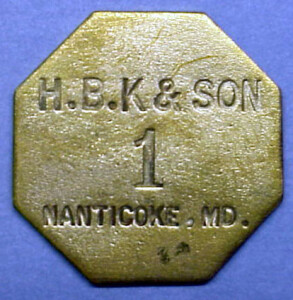  | SHORT DESCRIPTION: Small, octagonally shaped token which is apparently made of brass. NOTS: In some packing houses tokens were given to shuckers when a pre-determined quantity of oysters was opened and they are a large and varied lot. Tokens usually were made from metal because of the wet conditions and were stamped with designs and the quantity (one gallon, etc) The packer's name was often used, but some simply had a design like a masonic emblem, an oyster shell, or anything else distinctive to that packer. At the turn of the century, the usual pay for shucking a gallon of oysters was twenty cents, a number often included on the token. | CL28483 | |||||||
| 12 | 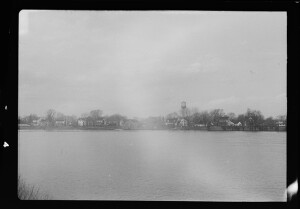 | 4/1952 | Nanticoke River (Del. and Md.).; Vienna (Md.). | Envelope: "Vienna, MD. Apr 1952" | Dwellings–Maryland–Vienna.; Rivers–Maryland–Vienna. | Shows a view looking across a river towards a small town. This negative has some streaking and blurring. There is no caption for this negative. | MS0063/01-693#0693-B | |||
| 13 | 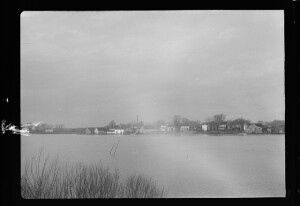 | 4/1952 | Nanticoke River (Del. and Md.).; Vienna (Md.). | Envelope: "Vienna, MD. Apr 1952" | Dwellings–Maryland–Vienna.; Rivers–Maryland–Vienna. | Shows a view looking across a river towards a small town. This negative has some streaking and blurring. There is no caption for this negative. | MS0063/01-693#0693-A | |||
| 14 | 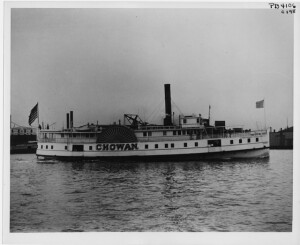 | WRITTEN ON VERSO: WRITTEN ON VERSO: BUILT 1883 AT BALTIMORE, MARYLAND. OWNED BY BALTIMORE CHESAPEAKE & ATLANTIC RAILWAY. 346T, 136.5 X 25.2 X 8.5, LATER NAMED NANTICOKE | Steamboats.; Sidewheelers; Walking Beam Engine | Starboard side view underway. Photo collection no. 198 | P0001.003/01-#PB4106 | |||||
| 15 | 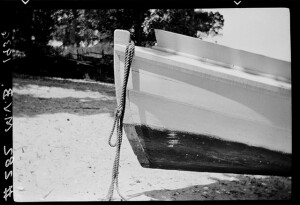 | 1936 | Wicomico County (Md.). | Envelope: "Canoe. Bow. Nanticoke, MD. 1936" Negative: "#282 M.V.B. 1936" | Canoes and canoeing–Maryland–Wicomico County.; Chesapeake Bay log canoes–Maryland–Wicomico County. | Shows a close up of the bow of a canoe out of the water. | MS0063/01-282#0282 | |||
| 16 | 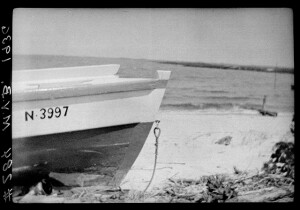 | 1936 | Wicomico County (Md.). | Envelope: "Canoe. Bow. Nanticoke, MD. 1936" Negative: "#284 M.V.B. 1936" | Canoes and canoeing–Maryland–Wicomico County.; Chesapeake Bay log canoes–Maryland–Wicomico County. | Shows a close up of the bow of a canoe out of the water. This is the same boat as shown in 0282. This shot is similar to 0283. | MS0063/01-284#0284 | |||
| 17 | 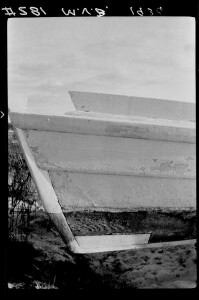 | 1936 | Wicomico County (Md.). | Envelope: "Canoe. Bow. Nanticoke, MD. 1936" Negative: "#281 M.V.B. 1936" | Canoes and canoeing–Maryland–Wicomico County.; Chesapeake Bay log canoes–Maryland–Wicomico County. | Shows a close up of the bow of a canoe out of the water. It is weathered and worn. | MS0063/01-281#0281 | |||
| 18 | 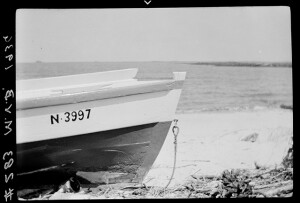 | 1936 | Wicomico County (Md.). | Envelope: "Canoe. Bow. Nanticoke, MD. 1936" Negative: "#283 M.V.B. 1936" | Canoes and canoeing–Maryland–Wicomico County.; Chesapeake Bay log canoes–Maryland–Wicomico County. | Shows a close up of the bow of a canoe out of the water. This is the same boat as shown in 0282. | MS0063/01-283#0283 | |||
| 19 | 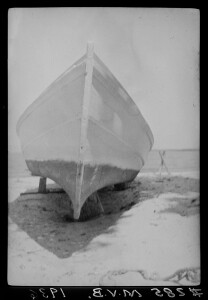 | 1936 | Wicomico County (Md.). | Envelope: "Canoe. Bow. Nanticoke, MD. 1936" Negative: "#285 M.V.B. 1936" | Canoes and canoeing–Maryland–Wicomico County.; Chesapeake Bay log canoes–Maryland–Wicomico County. | Shows a head on view of the bow of a canoe out of the water. | MS0063/01-285#0285 | |||
| 20 | 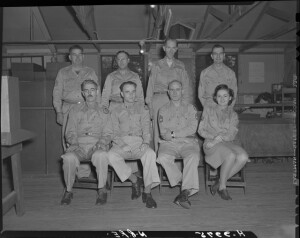 | 9/26/1944 | United States. Army.; United States. Army. Camp Patrick Henry (Va.). Post Office.; United States. Army. Women's Army Corps. | H-9975 - The following are attached to the CPH Post Office, first row, left to riht, Capt. Cletus M. Wickens, 0-497772, Postal Officer, Rice Lake, Wisconsin; 2nd Lt. Mark J. Grady, 0-1004473, Ass't Postal Officer, 821 Ridge St., Newark, New Jersey; T/Sgt. Theodore G. Berman, 36363867, Chief Clerk, 109 N. East St., Janesville, Wisconsin and S/Sgt. Helen E. McGarvey, A-306460, 3rd WAC Co., CPH, Chief Directory Section. Second row, left to right, S/Sgt. Peter P. Reilly, 33351882, Ass't Chief Clerk of Parcel Post Section, 13 W. Green St., Nanticoke, Pa.; Sgt. Anthony C. Dondero, 31164795, Chief of Insured and Registered mail, 41 Upland Rd. Winthrop, Mass.; Sgt. Paul H. McDowell, 321012463, Chief of Outgoing mail, Linwood, New York, and Sgt. Leonard J. Pocker, 31158954, Chief of INcoming Letter Distribution, 9 Myrtle St., BEverly, Mass. 9-26-44 Official Photograph, U. S. Army Signal Corps, HRPE, Newport News, Va. | Postal service–Virginia–Newport News. | Post Office officer pose in two rows, standing and seated, fro a group portrait. They are in the Post Office Building at Camp Patrick Henry. | P0003/01-#H-9975 | |||
| 21 | 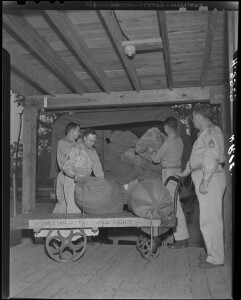 | 9/26/1944 | United States. Army.; United States. Army. Camp Patrick Henry (Va.). Post Office. | H-9969 - Anthony C. Dondero, 31164795, Hq. Co., Sta. Comp., CPH, 41 Upland Rd., Winthrop, Mass., is shown loading insured mail bag onto hand truck. S/Sgt. Peter P. Reilly, 33351882, Hq. Col, Sta. Comp., CPH, Ass't Chief Clerk, 13 W. Green St., Nanticoke, Pa., is shown looking on. Photo taken at CPH. 9-26-44 Official Photograph, U. S. Army Signal Corps, HRPE, Newport News, Va. | Postal service–Virginia–Newport News.; Loading and unloading–Virginia–Newport News. | Several soldiers on a loading dock take load dark mail bags from the back of a covered truck and load them onto a wooden hand cart. | P0003/01-#H-9969 | |||
| 22 | 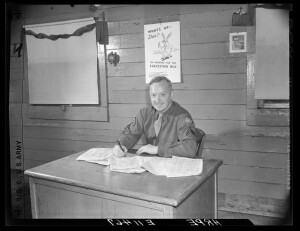 | 12/27/1944 | Cpl. Theodore H. Osmanski, ASN 33059774, home, 105 South Market Street, Nanticoke, Pa. is shown at desk working out plans for suggestions. Cpl. Osmanski has won several awards and has made over 50 suggestions for the "Ideas for Victory." Photo taken at Warehouse 5, Camp Hill Area, newport News, Virginia. | Bugs Bunny (Fictitious character).; War posters, American–Virginia–Newport News. | Portrait of a man sitting at a desk, he is holding pen to paper as if he were writing. Behind him is a poster featuring a rabbit eating a carrot and it reads: "What's up - Doc? I'm heading for the suggestion box." This is a reference to the character Bugs Bunny, created in 1940. | P0003/01-#E-11467 | ||||
| 23 | 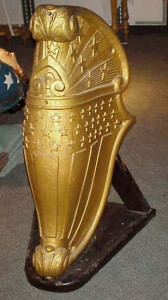 | SHORT DESCRIPTION: Cast bronze bow ornament made up of an American shield. LABEL COPY: BOW ORNAMENT. Bronze bow ornament from the U.S. Coast Guard Cutter "Pamlico" built in 1907 at Wilmington, Delaware by Pusey and Jones. During most of her career her headquarters were at New Bern, North Carolina. In March 1950 she was converted into a power boat and renamed "C. W. Curlett" to operate as a freighter on the Chesapeake Bay. VESSEL INFORMATION-- VESSEL NAME: USCG PAMLICO VESSEL TYPE: steam, twin screw revenue cutter SERVICE DATE: 1907- SHIP BUILDER: Pusey & Jones BUILDER LOCATION: Delaware, Wilmington VESSEL HISTORY: Cutter History (from USCG History office): The cutter USCG PAMLICO was designed to cruise in inland waters and therefore had an extremely shallow draft. She was built by Pusey & Jones Company of Wilmington, Delaware. She entered commissioned service on 11 July 1907. Her officers and crew transferred en mass from the cutter USCG BOUTWELL, after that vessel was slated to be decommissioned later in July. The USCG PAMLICO proceeded to her permanent station at New Bern, North Carolina, arriving there on 4 November 1907. Here she prepared to carry out her assigned duties of enforcing the custom laws of the country, conduct search and rescue operations as well as annual winter cruises, patrol regattas and other maritime events, transport federal officials as required, and participate in community activities as ordered. On 11 September 1908, she proceeded to Norfolk for repairs, returning to her station on 5 November 1908, and on the 24th was ordered for winter cruising in Albermarle Sound, Pamlico Sound, and their navigable tributaries. On 12 June 1909, she overhauled the steam launch Despatch and the steamer Nanticoke to "prevent the violation of the neutrality laws." From 1910 to 1913, she was used to convey many Congressional and press association parties to New Bern and through the New Inland Canal. In August 1913, a new radio apparatus was installed at Baltimore, Maryland, and in November she proceeded on her annual winter cruise. With the declaration of war by the U.S. on 6 April 1917, the USCG PAMLICO was transferred to the Navy Department. She was then ordered to the Chesapeake Bay where she made short training cruises in the bay for the many naval reserve officer trainees being prepared for duty overseas -- a role she carried out for the remainder of the war. The official World War I Coast Guard history noted: The cutter USCG PAMLICO, whose headquarters was at New Bern, N.D., and whose cruising district covered the eastern wwaters of that state (inland waters, the sounds and tributaries), was engaged in assistance work to vessels in distress when Congress on April 6th, 1917, passed the joint resolution declaring that a state of war existed between the United States and the German empire. Under the mobilization orders, this cutter was assigned to duty in the fifth naval district and upon her return to New Bern began to operated under the orders of the commandant of that district. The USCG PAMLICO was cruised [sic] in the waters of her district, and engaged in the enrollment of reserve officers and the enlistment of men for the reserve service. These duties were performed for some time, with additional duties on the part of her commanding and senior engineer officer, who were designated to inspect the motor boats of the district with a view of purchasing for the use of the Navy of those best suited for the purpose. First Lieutenant J. A. Alger commanded the USCG PAMLICO at this time and continued in command until relieved by First Lieutenant John L. Maher on the 29th of May. Lieutenant Maher continued in command until the 25th of August when he was relieved by Captain Henry Ulke, Jr., the former officer being detailed for the enrollment duty in the fifth naval district. In the latter part of October the USCG PAMLICO was ordered to Norfolk, Va., and leaving New Bern, N.C., on the 31st of that month arrived at the navy yard at Berkley, Va., on the 3rd of November. She was assigned to duty in connection with the training of reserve officers of the fifth naval district, and after being docked and having some repairs made entered on that duty. Captain Henry Ulke, Jr., was ordered before a medical board on November 24th, and detached on the same day, First Lieutenant P. H. Scott being ordered to relieve him. Lieutenant Scott continued to command the cutter during the remainder of the war period. She was stationed at Pinner's Point, Va., and made numerous short cruises in Hampton Roads and Chesapeake Bay during which times the naval reserve student officers were given the necessary instructions to fit them for duty overseas. Beginning on this duty at Pinner's Point where she arrived on the 23rd of January, 1918, the USCG PAMLICO remained there, with the exception of the short training cruises heretofore mentioned until the signing of the armistice on the 11th of November following brought actual hostilities to a close. The work done by this cutter under the command of Lieutenant Scott was of great value to the commandant of the fifth naval district where many reserve officers were enrolled and trained for their duties in the war zone where a great many of them were afterwards ordered." (Vol. 1, p. 81). She was returned to the Coast Guard on 28 August 1919, when the entire service returned to the Treasury Department and was again assigned to New Bern. She then returned to her normal peace-time duties. During World War II, after the Coast Guard had once again been transferred to the Navy, Pamlico was designated as WPR-57 and was assigned to operate under the Assistant Captain of the Port at Morehead City from March 1942 until May, when the assistant was promoted to Captain of the Port. With the cutter were 30 reserve boats used to maintain a constant patrol of the waterfronts at Morehead City, Elizabeth City, New Bern, and Washington, North Carolina, and also a continuous patrol of Bogue, Beaufort, Drum and Ocracoke Inlets and The Drain. At these inlets all boats entering and leaving were boarded and examined for identification cards, boat licenses, and any other necessary papers. The boats on patrol at the cities enumerated made a similar check of boats along the waterfront, and investigated docks for possible accumulations of waste material and other hazardous conditions. In March, 1943, when a serious explosion occurred at the Port Terminal at Morehead City under the control of the Navy, the Captain of the Port and his men were among the first on the scene of the disaster, rendering help to the wounded and posting guards and patrols in the stricken area. When in June, 1943, a commercial tug-towed barge capsized due to a top-heavy load of logs, USCG PAMLICO and the tender USCG LINDEN (WAGL-228) searched the area for the logs and the tender Hydrangea (WAGL-236) recovered a body. She underwent a major overhaul in May of 1944, including repairs to the main engine and boiler. She returned to New Bern where she continued to serve, although repairs were needed almost continually at this point in her long government career. During her 40 years of service in North Carolina waters, she became something of a fixture to the local population. They were disappointed to see her retired and even had their congressman call the Commandant, Admiral Joseph F. Farley, to see if they could keep her in service for a longer period of time. But by 1946, she was on her last legs. ADM Farley told the congressman that the Coast Guard had to pour concrete into her bilge to plug the many holes in her lower hull. Bowing to the inevitable, the Coast Guard decommissioned the old cutter on 6 September 1946. She was sold on 7 July 1947. She was converted to a diesel-powered freighter, owned at one point by the Norris Grain Company of New York, with the name C. W. CURLETT. She was sold in 1958 to the Ailsworth Transport Company of Reedsville, Virginia and was renamed to the William Dea. VESSEL DIMENSION: 158'x30'x5'8" Alternate vessel names: (1) USCG PAMLICO (REVENUE CUTTER, CG-15: 1907-1942); (2) USCG PAMLICO (GUNBOAT, WPR-57: 1942-1946); (3) C.W. CURLETT (MOTOR VESSEL: 1947-1958); (4) WILLIAM DEA (MOTOR VESSEL: 1958-?). | CL4065 |
Created 2026 by Don Barker, CBMM volunteer, for the Chesapeake Shipbuilding Project. shipbuilding@sailingworkboats.es